Last checked:
Anyone who has watched a near-certain shot miss in a turn-based tactics game knows that luck is part of PC gaming whether we admit it or not. Behind every hit chance, loot drop and card draw sits a random number generator, and the way a game presents that randomness shapes how fair it feels.
Every strategy game rolls dice somewhere
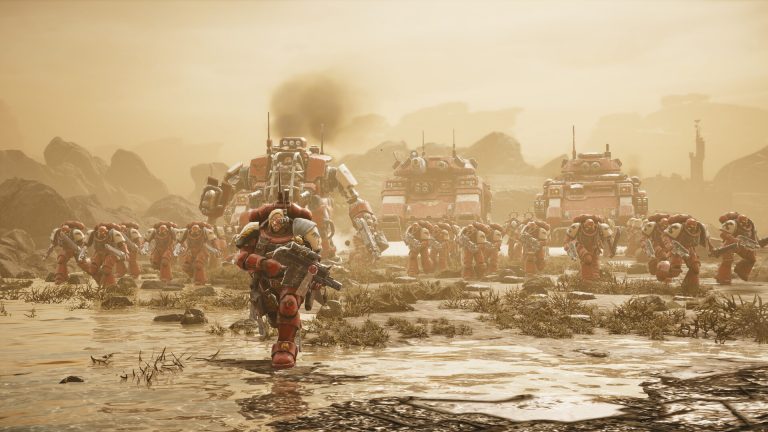
Warhammer 40,000 started as a tabletop game decided by fistfuls of dice, and its video game adaptations still inherit that logic under the hood. Real-time strategy hides the rolls inside damage ranges and accuracy values, while turn-based games such as XCOM show you the percentage and let you sweat it out.
Designers have learned that players are bad at judging probability. Some games quietly nudge the odds in the player’s favor on lower difficulties after a string of misses, because a run of bad luck that is mathematically normal still feels like the game is cheating. Others show the roll openly, so at least nobody can claim it was hidden.
When the card table becomes the game
The deckbuilder boom pushed chance into the spotlight. Slay the Spire made shuffling and drawing the core of every run, and Balatro went further by building an entire roguelike around poker hands. None of these involve real money, yet they borrow the language of the casino: chips, multipliers, the rhythm of a dealer turning cards. That borrowed vocabulary is part of why they are so compelling, and part of why regulators have started paying attention.
Ratings caught up with the imagery
Australia offers a clear example. Since September 2024, its classification rules require games that contain simulated gambling to be rated R18+, while games with paid loot boxes or other in-game purchases linked to chance get at least an M rating. The change applies to new classifications, but it signalled that gambling-style mechanics are judged by what they look like, not only by whether cash changes hands.
For players, it is a useful reminder that the line between a game about cards and a game of cards is drawn by law, not by art style.
Where the real-money side lives
For Australian PC players who are curious about the real thing rather than a cosmetic imitation, the online casino scene runs on offshore sites, and the reviews at casino-bros.com/au explain how those platforms are compared. It is a separate world from Steam and strictly for adults 18+, so keep it well apart from your gaming budget and play responsibly.
Back on the PC side, the lesson is the same one tabletop veterans learned decades ago: the dice do not remember your last roll. Knowing that will not save your sniper from a missed shot, but it might stop you from rage-quitting the campaign.
Showing the odds: a design trend worth watching
More PC games now show players exactly what sits behind a roll instead of a single bare percentage. Tooltips that break a hit chance into its parts (cover, range, elevation, abilities) and combat logs that record each roll after the fact help players trust the system, even when a shot still misses. The benefit is simple: when people can see why a result happened, they are less likely to blame hidden manipulation. For anyone designing or modding a turn-based game in 2026, a clear breakdown of chance is one of the cheapest ways to make randomness feel fair.
About the Author

Behind this article
- Published · Updated